

Views: 0 Author: Site Editor Publish Time: 2026-02-17 Origin: Site
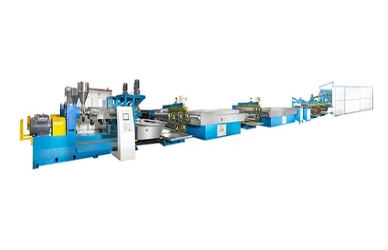
In artificial grass manufacturing, the rewinding machine plays a crucial role in ensuring that yarn is properly prepared for further processing. It is responsible for taking the synthetic fibers, which have been extruded and spun, and winding them onto spools or cones in a controlled and uniform manner. This process ensures that the yarn is ready for tufting and other steps in the production of artificial grass. The ability to handle various yarn sizes is essential for maintaining flexibility and efficiency in production. Since artificial grass can be made from different materials such as polyethylene (PE), polypropylene (PP), or nylon, and each material may require different yarn thicknesses, the rewinding machine must be versatile enough to handle these variations. By adjusting tension and winding parameters, manufacturers can ensure consistent yarn quality, reduce downtime, and improve overall productivity in the manufacturing process.
Yes, a rewinding machine can handle different yarn sizes thanks to its adjustable settings. These machines are equipped with features that allow operators to modify the winding process according to the yarn's thickness. By adjusting the feed rate, guide rollers, and winding speed, the machine can accommodate various yarn sizes, ensuring that the winding process is efficient and precise. This flexibility allows manufacturers to switch between different yarn types or sizes without needing separate machines, optimizing production.
The tension control system is a critical feature that enables a rewinding machine to handle different yarn thicknesses. By adjusting the tension settings, the machine can maintain the correct amount of pressure during the rewinding process, ensuring the yarn is wound evenly without breaking or tangling. For finer yarns, lower tension is applied, while thicker yarns require higher tension to maintain uniform winding. This customization ensures that all types of yarn are rewound with the proper tension, improving the overall quality of the finished product.
Different rewinding machines are designed with specific specifications to handle various yarn types and sizes. Standard machines can accommodate common yarn sizes, while heavy-duty rewinding machines are built to handle thicker, stronger yarns used for high-performance applications, such as sports fields. Some machines also come with specialized guides and motor adjustments that allow for handling specific materials like polyethylene (PE), polypropylene (PP), or nylon. Choosing the right machine for the yarn type is essential for ensuring the winding process is both efficient and effective.
Using a single rewinding machine to handle multiple yarn sizes helps save valuable floor space in the manufacturing plant. Instead of having separate machines for each yarn size, a single versatile rewinding machine can accommodate different thicknesses, reducing the overall number of machines required. This streamlined approach frees up space for other essential equipment and makes the factory layout more efficient.
Investing in one adjustable rewinding machine that can handle multiple yarn sizes significantly reduces the need for purchasing and maintaining additional machines. This leads to cost savings on both initial equipment costs and ongoing maintenance. Fewer machines also mean lower energy consumption, less need for repairs, and reduced labor costs associated with machine operation and maintenance.
A single rewinding machine offers increased flexibility in production by allowing quick and easy adjustments for different yarn sizes. This adaptability enables manufacturers to swiftly switch between yarn types and sizes without significant downtime or the need to recalibrate multiple machines. This versatility makes it easier to meet varying production demands, improve efficiency, and accommodate diverse customer requirements, leading to higher overall productivity.
While rewinding machines are designed to handle a range of yarn sizes, they do have a maximum capacity for the yarn thickness they can accommodate. Typically, a standard rewinding machine can handle yarns up to a certain diameter, beyond which the machine may not function efficiently or could experience mechanical stress. Extremely thick yarns, such as those used for heavy-duty applications, may require specialized machines that are designed to handle larger diameters without damaging the material or affecting the quality of the winding process.
For extreme yarn thicknesses or specialized materials, the rewinding machine may require custom adjustments. These adjustments could include modifying tension settings, changing yarn guides, or using heavier-duty components to ensure smooth operation. For specialized materials, such as high-strength synthetic fibers or multifilament yarns, the machine may need to be further customized to handle unique winding requirements. These adjustments ensure that the rewinding process maintains the desired quality and prevents issues like tangling, breakage, or uneven winding.
Yarn Size | Adjustments Required | Maximum Capacity | Machine Type |
Fine Yarn | Lower tension, precise guiding | Up to 0.5mm diameter | Standard rewinding |
Medium Yarn | Moderate tension, standard guides | Up to 2mm diameter | Standard rewinding |
Thick Yarn | Higher tension, specialized guides | Over 2mm diameter | Heavy-duty rewinding |
Specialty Yarn | Custom settings for tension and guide | Variable | Custom rewinding machine |
The material type plays a significant role in how the yarn behaves during the rewinding process and affects the machine adjustments needed. For example:
Polyethylene (PE) is flexible and soft, requiring moderate tension to prevent stretching or damage.
Polypropylene (PP) is lightweight and less flexible, so it may require slightly higher tension to ensure uniform winding.
Nylon is stronger and more resilient, often requiring precise tension control to avoid yarn breakage during winding.
Each material has unique properties that influence how the rewinding machine is set up, including tension levels, guide adjustments, and feed rates, ensuring optimal winding quality.
Environmental conditions, particularly humidity and temperature, can affect the behavior of yarn during the rewinding process. High humidity can make yarn more prone to stretching or warping, while extreme temperatures (either hot or cold) may cause the fibers to become brittle or too soft. The rewinding machine must be adjusted accordingly to compensate for these conditions. For example, in high humidity, the machine may need to apply more tension to keep the yarn taut, while in low temperatures, additional heat might be necessary to maintain yarn flexibility. Ensuring stable environmental conditions is crucial for consistent yarn winding.
The thickness of the yarn influences the optimal speed at which the rewinding machine operates. For thicker yarns, the machine generally needs to run at a slower speed to maintain proper tension and prevent breakage. Conversely, finer yarns require a faster rewinding speed as they are less prone to damage and can be wound more quickly. Adjusting the machine’s speed according to yarn thickness ensures that each type of yarn is wound with the right tension and uniformity, improving overall production efficiency and maintaining yarn quality.
A1: The rewinding machine can be adjusted by changing the tension settings and yarn guide positions to accommodate different thicknesses.
A2: Yes, each rewinding machine has a maximum capacity for yarn thickness. Extremely thick or specialty yarns may require customized machines.
A3: Using one adjustable rewinding machine eliminates the need for multiple machines, conserving valuable floor space in the manufacturing plant.
A4: Yes, the machine can handle both synthetic and natural fibers, with minor adjustments to suit each type of yarn’s thickness and properties.
The grass yarn rewinding machine is a versatile and essential piece of equipment in artificial grass manufacturing, capable of handling a variety of yarn sizes with ease. By offering adjustable settings and customizable tension control, it can efficiently accommodate different yarn thicknesses, whether for standard synthetic fibers like PE and PP, or stronger materials like nylon. The rewinding machine not only improves yarn quality by ensuring uniform winding and preventing tangling, but it also enhances production efficiency, reducing manual labor and downtime. Additionally, it provides significant cost savings by eliminating the need for multiple machines, optimizing space, and reducing maintenance costs. With its ability to adapt to various yarn sizes and types, the rewinding machine plays a crucial role in improving the overall flexibility, productivity, and quality of artificial grass manufacturing.


