

Views: 0 Author: Site Editor Publish Time: 2026-02-16 Origin: Site
Grass yarn is a fundamental component in the manufacturing of artificial grass, as it provides the structure, durability, and realistic appearance needed for synthetic turf. It is typically made from materials like polyethylene (PE), polypropylene (PP), or nylon, which are extruded and tufted into a backing material to create the artificial grass. To ensure the yarn is properly prepared for the tufting process, the grass yarn rewinding machine plays a crucial role. This machine rewinds the yarn into uniform rolls or cones, ensuring it is ready for further processing without tangling or uneven tension. By automating the rewinding process, the machine enhances production efficiency, improves yarn quality, and reduces the need for manual labor, making it an essential part of the overall artificial grass manufacturing process.
The grass yarn rewinding machine is designed to take synthetic yarn that has been extruded and spun, and rewind it onto cones or spools. This process ensures that the yarn is organized, uniform, and ready for the next steps in the production process. The rewinding machine collects the yarn into neatly wound rolls, which are easier to handle and store, preventing tangling and ensuring efficient use in subsequent operations like tufting or weaving.
An important feature of the rewinding machine is its ability to control the tension of the yarn during the rewinding process. Proper tension ensures that the yarn is wound evenly and consistently, which is crucial for maintaining its strength, flexibility, and overall quality. If the tension is too loose, the yarn may become tangled, whereas excessive tension can lead to breakage or deformation of the fibers. Managing yarn tension helps maintain the desired characteristics of the yarn, ensuring it performs well in the final artificial grass product.
The grass yarn rewinding machine significantly enhances operational efficiency by automating the winding process. This eliminates the need for manual handling, reducing labor costs and the risk of human error. The machine can rewind yarn at a faster rate compared to manual methods, speeding up production and increasing throughput. This automation also reduces the risk of uneven winding or yarn damage, ensuring high-quality output and smoother operation throughout the manufacturing process.
One of the primary benefits of using a grass yarn rewinding machine is the improved yarn quality it offers. The machine ensures that the yarn is wound evenly and consistently onto cones or spools, which helps prevent tangling and ensures uniform tension. This consistency in winding is essential for maintaining the yarn's strength and appearance, which directly impacts the final quality of the artificial grass product.
The grass yarn rewinding machine significantly saves time by automating the rewinding process. This eliminates the need for manual labor, which is time-consuming and prone to error. With the machine's high-speed operation, yarn can be rewound quickly and efficiently, speeding up production and enabling manufacturers to meet higher demand while reducing delays in the overall manufacturing process.
Using a rewinding machine is cost-effective as it reduces labor costs by automating a traditionally manual task. Additionally, the machine minimizes material wastage by ensuring that the yarn is rewound evenly and without damage, which can occur during manual handling. This leads to more efficient use of raw materials and reduces the need for costly rework, ultimately lowering production costs and improving profitability.
Before the yarn can be tufted into the backing material, it must be rewound into a consistent and manageable form. The rewinding machine plays a crucial role in preparing the yarn for this step by winding it onto cones or spools with precise tension and uniformity. This ensures that the yarn is properly organized and ready for use in the tufting process, where it will be inserted into the backing material. Properly wound yarn reduces the chances of tangling and ensures smooth feeding into the tufting machine, improving overall efficiency and product quality.
After the tufting process, the yarn may need to be rewound again to ensure proper storage and handling. The post-tufting rewinding process involves rewinding the finished artificial grass yarn, now attached to the backing material, onto rolls or spools for easier storage and transportation. This ensures that the finished product remains intact, preventing damage or unnecessary stretching. Proper post-tufting rewinding also helps maintain the shape and quality of the yarn until it is ready for cutting, trimming, and final packaging.
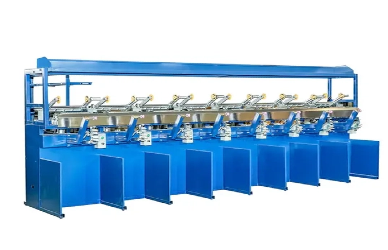
Routine maintenance is essential for keeping the grass yarn rewinding machine in optimal working condition. Regular checks should be performed on key components, such as the tension control system, yarn guides, and motor, to ensure smooth operation. Lubrication of moving parts helps prevent wear and tear, while cleaning the machine regularly prevents the buildup of dust or debris that could affect performance. Additionally, ensuring that all electrical and mechanical systems are functioning properly reduces the risk of unexpected downtime and extends the machine’s lifespan. Proper maintenance ensures that the rewinding machine runs efficiently, minimizing disruptions in the production process.
Uneven Winding
Issue: Uneven winding can occur if the yarn isn’t wound consistently, leading to tangles or irregular rolls.
Solution: Check the tension control settings and adjust them to ensure uniform winding. Verify that the yarn guide is aligned correctly and that there are no obstructions in the path.
Tension Problems
Issue: Incorrect yarn tension can lead to breakage or tangling, affecting the quality of the finished rolls.
Solution: Ensure that the tension system is calibrated correctly. If the yarn tension is too tight, reduce it; if too loose, increase it. Regularly check the yarn guide rollers to make sure they are in proper condition and aligned.
Machine Jamming or Stalling
Issue: The rewinding machine may jam or stall due to improper yarn feed or mechanical malfunctions.
Solution: Inspect the yarn feed mechanism for blockages or misalignments. Clean the feed system, and check for any worn-out parts, replacing them as needed.
Excessive Noise or Vibration
Issue: Unusual noise or vibration can indicate mechanical issues such as misaligned parts or worn bearings.
Solution: Check for loose components and tighten any bolts or screws. Lubricate moving parts and replace any damaged bearings to reduce noise and vibration.
A1: The rewinding machine maintains consistent yarn tension throughout the process, which prevents tangling and ensures that the yarn is wound uniformly onto spools or cones. By controlling the speed and tension of the yarn, the machine ensures smooth winding, reducing the risk of knots and ensuring a seamless production flow.
A2: The rewinding machine is primarily designed for synthetic fibers, such as those used in artificial grass manufacturing. However, similar technology can be adapted for use with other types of yarn, including natural fibers, provided the yarn is suitable for the machine’s specifications. Customization may be required depending on the material's properties.
A3: By automating the rewinding process, the machine eliminates manual labor, significantly speeding up production. It allows for faster and more efficient preparation of yarn, ensuring that the production line remains moving smoothly without delays. This contributes to quicker turnaround times and higher overall efficiency in the manufacturing process.
A4: Yes, most rewinding machines are adjustable to accommodate various yarn thicknesses. This feature allows manufacturers to ensure proper winding for different yarn types and applications. The machine’s tension settings and winding mechanisms can be customized to handle fine or thick yarn, ensuring consistent quality for all yarn types used in the production process.
The grass yarn rewinding machine plays a critical role in the artificial grass manufacturing process by ensuring that yarn is properly prepared for tufting and efficiently stored after production. It automates the rewinding process, improving yarn quality by ensuring uniform tension and preventing tangling. This not only enhances the overall efficiency of the production process but also reduces labor costs and material waste. By providing consistent, high-quality yarn for tufting and maintaining the integrity of the finished product, the rewinding machine significantly contributes to the smooth operation of the plant, leading to faster production times and higher-quality artificial grass. Proper maintenance and troubleshooting ensure that the machine remains effective, allowing manufacturers to meet demand while maintaining optimal product quality.


