

Views: 0 Author: Site Editor Publish Time: 2026-02-06 Origin: Site
Artificial grass yarn is a synthetic material designed to create durable, low-maintenance, and visually appealing turf for a variety of applications. Whether used in sports fields, landscaping, or decorative installations, artificial grass yarn provides a realistic grass-like appearance without the upkeep associated with natural grass. Made from durable fibers like polyethylene (PE), polypropylene (PP), or nylon, this yarn offers long-lasting performance even under heavy foot traffic and extreme weather conditions. With its eco-friendly design, artificial grass yarn is becoming an increasingly popular choice for environmentally conscious consumers and businesses looking to reduce maintenance costs and conserve water. In this article, we will explore the key advantages of artificial grass yarn and why it is a preferred option for modern outdoor spaces.
Polyethylene (PE) yarn is the most commonly used material in artificial grass production due to its durability and realistic appearance. PE yarn offers a soft, grass-like feel, making it ideal for applications such as sports fields, residential lawns, and landscaping. It is resistant to wear and tear, UV degradation, and harsh weather conditions, ensuring that artificial turf made from PE yarn maintains its appearance and performance over time. Additionally, PE yarn has a relatively low cost compared to other materials, making it a popular choice for many turf manufacturers.
Polypropylene (PP) yarn is another popular option for artificial grass, primarily due to its lightweight nature and cost-effectiveness. While it is not as durable as polyethylene or nylon, PP yarn is commonly used in applications where performance and budget considerations are more important than longevity, such as in low-traffic areas or decorative landscaping. It is resistant to water and chemicals, but it may not withstand heavy foot traffic or UV exposure as well as PE or nylon yarns. Despite this, it offers an affordable solution for short-term or less demanding turf projects.
Nylon yarn is known for its high resilience and durability, making it ideal for heavy-use areas such as sports fields and high-traffic spaces. This type of yarn is stronger and more elastic than PE or PP, which allows it to maintain its shape and bounce over time, even under constant pressure. Nylon is also highly resistant to UV rays, moisture, and abrasions, which contributes to the long lifespan of artificial turf made from nylon yarn. While it is more expensive than PE and PP, its superior performance and longevity make it a valuable choice for high-end, heavy-duty artificial grass installations.
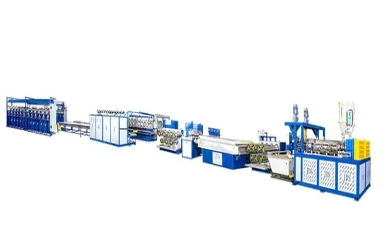
The first step in manufacturing artificial grass yarn is the extrusion process. This involves melting raw materials such as polyethylene (PE), polypropylene (PP), or nylon and forcing the melted plastic through a mold, creating long, continuous strands of yarn. These strands are then cooled and solidified to form the base yarn. The extrusion process allows manufacturers to produce yarns in various thicknesses, lengths, and densities, depending on the intended use of the artificial grass. This method is critical in achieving the correct strength and flexibility of the yarn, ensuring it can withstand the rigors of being used in turf.
Once the yarn is extruded, it undergoes a texturing process. This step involves twisting or crimping the yarn to mimic the natural appearance of grass. Texturing adds a level of realism to artificial grass by giving the yarn a more organic look, with some fibers appearing straight, while others are curled or wavy. This variation in texture enhances the overall aesthetic quality of the turf, making it look and feel more like real grass. Texturing also contributes to the yarn's ability to "stand up" after installation, giving the grass its desired visual appeal.
After the yarn is textured, it must undergo a cooling and setting process. This step ensures that the yarn maintains its shape and durability under various environmental conditions. The yarn is cooled to room temperature and then set to lock in its texture, ensuring that it will retain its shape even under the pressure of foot traffic or harsh weather. The cooling and setting process also helps to finalize the yarn’s physical properties, such as flexibility, resistance to UV rays, and overall strength. This stage is crucial for ensuring the long-lasting performance of the artificial grass once it is installed.
Artificial grass yarn plays a key role in many applications where natural grass is difficult to maintain or doesn’t meet performance needs. It’s widely used in sports fields, landscaping, and decorative purposes due to its durability, aesthetic appeal, and low maintenance characteristics.
Artificial grass yarn is extensively used to produce synthetic turf for various sports venues, including football fields, golf putting greens, tennis courts and multi purpose athletic areas. These surfaces provide consistent performance, withstand heavy foot traffic, and require much less maintenance than natural grass, making them ideal for professional and community sports facilities.
In landscaping, artificial grass yarn is used to create lush, green lawns in residential and commercial spaces without the need for watering, mowing, or fertilizing. It’s also popular in playgrounds and parks, providing a soft, visually appealing surface that enhances outdoor environments while offering durability and weather resistance.
Synthetic turf made from artificial grass yarn is increasingly adopted for decorative uses such as rooftop gardens, event staging, retail displays, and interior décor. Its versatility and ability to retain color and texture make it a creative solution for design projects requiring a natural green appearance without the upkeep of live grass.
Overall, artificial grass yarn enables synthetic turf to meet diverse functional and aesthetic needs across sports, landscaping, and decorative applications.
One of the most significant advantages of artificial grass yarn is its long-lasting durability. Unlike natural grass, which can wear out quickly under heavy foot traffic or harsh weather conditions, artificial grass yarn is designed to withstand constant use without losing its appearance or functionality. The synthetic fibers are resistant to UV rays, moisture, and extreme temperatures, ensuring that the turf remains vibrant and intact for years. This makes artificial grass yarn ideal for high-traffic areas, sports fields, and landscapes that require consistent use and minimal maintenance.
Artificial grass yarn requires very little maintenance compared to natural grass. Since it doesn't need to be mowed, watered, or fertilized, it saves time, labor, and resources. Additionally, it doesn't suffer from common grass issues like weeds, pests, or diseases. Once installed, the turf maintains its appearance with minimal effort, requiring only occasional brushing or cleaning to keep it looking fresh. This low-maintenance feature makes it a popular choice for busy homeowners, businesses, and sports facilities looking for a hassle-free solution to outdoor spaces.
Artificial grass yarn is increasingly made from eco-friendly and sustainable materials, which helps reduce its environmental impact. Many manufacturers are now using recyclable polyethylene (PE) and polypropylene (PP) fibers, contributing to a more sustainable product lifecycle. Additionally, artificial grass reduces water usage by eliminating the need for regular watering, which is especially valuable in areas prone to drought or where water conservation is a priority. Some artificial grass yarns are also designed for easy recycling at the end of their life, further promoting sustainability and reducing landfill waste.
A1: Artificial grass yarn is typically made from polyethylene (PE), polypropylene (PP), and nylon, each offering unique properties for different uses.
A2: Yes, many artificial grass yarns are designed to be eco-friendly, with some brands focusing on recyclable and sustainable materials.
A3: The lifespan of artificial grass yarn can range from 8 to 15 years, depending on factors like UV exposure, traffic, and maintenance.
A4: Yes, artificial grass yarn can be used for various turf applications, including sports fields, gardens, playgrounds, and even decorative installations.
Artificial grass yarn provides a practical and efficient solution for a wide range of applications, offering key advantages such as long-lasting durability, low maintenance, and eco-friendliness. Its ability to endure harsh weather, heavy foot traffic, and UV exposure ensures that artificial turf remains functional and visually appealing over the years, making it an excellent choice for sports fields, residential lawns, and commercial landscapes. Additionally, artificial grass yarn requires minimal upkeep, saving both time and money on tasks like mowing, watering, and fertilizing. On the sustainability front, many artificial grass yarns are made from recyclable materials, helping to conserve water and reduce environmental impact. In summary, artificial grass yarn is an effective, cost-efficient, and environmentally conscious option for enhancing outdoor spaces with minimal effort.


