

Views: 0 Author: Site Editor Publish Time: 2026-02-09 Origin: Site
The manufacturing process of artificial grass involves several intricate steps to create synthetic turf that mimics the appearance and feel of natural grass while offering durability and low maintenance. The process begins with selecting the right raw materials, followed by the extrusion, tufting, and texturing of the yarn, which is then attached to a backing material to form the artificial grass. Afterward, the grass is cut, trimmed, and tested for quality before being packaged for distribution.
Choosing the right machines for this process is crucial to ensure efficiency, consistency, and high-quality output. The machines must be capable of handling large-scale production while maintaining the precision needed to create realistic, durable turf. From extruders that convert raw materials into yarn, to tufting machines that create grass-like patterns, each machine plays a key role in ensuring that the final product meets industry standards. Selecting the appropriate machinery not only enhances production speed but also reduces operational costs, making it a vital decision for anyone looking to start an artificial grass manufacturing plant.
The extruder machine is essential for converting raw plastic materials, such as polyethylene (PE), polypropylene (PP), or nylon, into synthetic fibers. These fibers form the foundation of artificial grass. The raw materials are melted and forced through a mold to create long strands of yarn that are then cooled and solidified. This machine is vital for producing the basic yarn used in the tufting process, which gives artificial grass its durable and realistic appearance.
The tufting machine is responsible for inserting the synthetic yarn into a backing material, such as a woven fabric or nonwoven backing. This machine creates the grass-like grid pattern, where the yarn is evenly distributed in rows, mimicking the natural structure of grass. The tufting machine is one of the most critical machines in the manufacturing process, as it directly affects the look and feel of the final artificial grass product.
Once the yarn is tufted, it undergoes the texturing process. The texturing machine adds twists, crimps, or curls to the yarn, simulating the natural variations found in real grass blades. This step is crucial to ensure that the artificial grass not only looks realistic but also provides the necessary tactile experience. The texture of the yarn helps the grass retain its upright position, enhancing the overall visual appeal of the turf.
The backing machine plays a vital role in the final assembly of artificial grass. It attaches the tufted synthetic yarn to a backing material that holds the fibers in place and adds strength and stability to the turf. The backing is typically made of durable materials like polyurethane or latex, which provide the necessary support and flexibility for the artificial grass. This step is essential for ensuring that the synthetic grass remains intact and resilient during use.
After the yarn is tufted and attached to the backing, the cutting and trimming machine is used to cut the artificial grass into standard roll sizes. This machine ensures that the edges of the turf are clean and the grass fibers are of uniform height. It helps give the final product a polished and neat appearance, which is important for both aesthetic reasons and installation efficiency.
The heating and cooling system is used to control the temperature during the manufacturing process, particularly during the extrusion and texturing stages. The machine ensures that the yarn is properly heated to achieve the right consistency and then cooled to maintain its shape and durability. This system is essential for ensuring that the synthetic fibers retain their flexibility and resilience, preventing the yarn from becoming too brittle or weak. Proper heating and cooling contribute to the overall longevity of the artificial grass.
The recycling machine is an essential piece of equipment that helps minimize waste and reduce production costs. During the manufacturing of artificial grass, some raw materials or by-products may be leftover or unused. The recycling machine allows manufacturers to collect and reprocess these waste materials, transforming them back into usable raw materials for future production. This helps create a more sustainable manufacturing process by reducing the need for additional raw materials and lowering environmental impact.
The dyeing machine is used to color the synthetic fibers or yarn to closely resemble the natural colors found in real grass. This machine is responsible for adding vibrant hues to the yarn, such as various shades of green, brown, and yellow, to create a realistic, natural appearance. The yarn is dyed to achieve different color variations, making the artificial grass look more lifelike and enhancing its aesthetic appeal. The dyeing process also ensures the yarn’s color remains durable and resistant to fading over time, even under UV exposure.
Quality control and testing equipment are crucial to ensure that the artificial grass produced meets industry standards and is suitable for its intended use. This equipment typically includes machines that check for the yarn’s tensile strength, UV resistance, pile height, and density. The testing equipment helps monitor key performance factors such as durability, wear resistance, and colorfastness. Regular quality control throughout the production process ensures that the final product is consistent, safe, and able to withstand various environmental conditions, ensuring long-term satisfaction for customers.
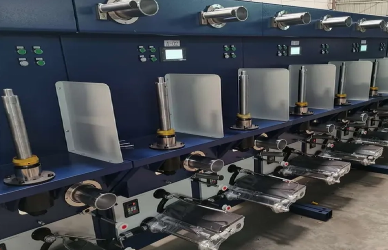
In an artificial grass manufacturing plant, machines work in a coordinated process to produce high-quality turf. The extruder machine begins by converting raw materials into synthetic fibers. These fibers are then tufted into a backing material using the tufting machine, creating a grid pattern. The texturing machine adds natural-looking twists and crimps to the fibers, while the backing machine secures the yarn to the backing material. The cutting and trimming machine then cuts the grass into rolls and ensures uniformity in fiber height. Supporting machines like the recycling machine reuse waste, and the dyeing machine adds color. Finally, quality control equipment checks durability and performance.
Automation in the plant offers several key benefits:
Increased Efficiency: Faster production with minimal downtime.
Consistent Quality: Ensures uniformity and reduces defects.
Reduced Labor Costs: Decreases the need for manual labor, cutting costs.
Improved Safety: Minimizes human interaction with machinery, reducing risk.
Lower Operational Costs: Optimizes energy use and reduces waste.
Scalability: Easily adjusts production capacity as demand grows.
Starting an artificial grass manufacturing plant requires a significant initial investment. The key costs include purchasing machines such as extruders, tufting machines, texturing machines, backing machines, and cutting equipment, along with auxiliary machinery like dyeing and recycling systems. Depending on the scale of the plant and the level of automation, these machines can cost anywhere from $500,000 to $5 million. Additional costs involve setting up the facility itself, including construction, electrical and plumbing work, and buying raw materials. The overall investment will also include transportation and installation fees for the machinery and necessary training for staff.
Once the plant is operational, there are several ongoing costs to consider:
Raw Materials: The cost of plastic polymers (PE, PP, nylon) and other raw materials, which fluctuate based on market conditions.
Labor Costs: Wages for operators, technicians, and other plant personnel.
Energy Costs: The plant will require significant electricity to power machinery, particularly for extrusion and heating/cooling systems.
Maintenance: Regular maintenance of machinery to ensure smooth operation, including spare parts and servicing.
Quality Control and Testing: Costs related to ensuring the product meets industry standards, including equipment and testing materials.
Waste Management: Managing waste materials and recycling by-products can incur additional costs.
A1: The space required depends on the scale of the operation, but generally, a factory with 1,000-5,000 square meters is recommended for a medium-sized plant.
A2: The tufting machine inserts synthetic yarn into a backing material, creating the grass-like structure essential for artificial turf.
A3: Yes, many parts of the production process, such as yarn extrusion and tufting, can be automated to increase efficiency and reduce labor costs.
A4: Regular maintenance, including cleaning, lubricating moving parts, and replacing worn-out components, is necessary to keep machines in optimal working condition.
Starting a successful artificial grass manufacturing plant requires a combination of essential machinery that work together to produce high-quality synthetic turf. The key machines include the extruder machine, which transforms raw materials into synthetic fibers; the tufting machine, which creates the grass-like pattern; the texturing machine, which adds natural-looking texture; and the backing machine, which attaches the yarn to a durable backing. Additionally, supporting machines like the recycling machine and dyeing machine help improve efficiency and enhance the product’s appearance. Integrating these machines into an automated system boosts production efficiency, reduces labor costs, and ensures consistent quality. While the initial investment can be significant, managing ongoing operational costs effectively will be crucial for the plant’s long-term success and profitability.


