

Views: 0 Author: Site Editor Publish Time: 2025-12-23 Origin: Site
The demand for high-quality synthetic grass is on the rise in industries like sports, landscaping, and urban development. As this demand grows, manufacturers face challenges in producing durable and consistent grass yarn. Grass Yarn Extrusion Machines play a key role in shaping yarn quality and performance.In this article, you will learn how these machines contribute to the production of resilient, high-performance synthetic grass and how ancillary equipment further enhances the process.
Grass Yarn Extrusion Machines are critical in the production of synthetic grass yarn. These machines melt raw plastic materials such as polyethylene (PE) and polypropylene (PP) and force them through a mold or die to form durable, long-lasting strands of yarn. The yarn produced is then cooled and wound into rolls, ready for further processing. These machines are designed to produce both straight monofilament and curly yarn, depending on the specific requirements of the artificial turf application.The primary function of Grass Yarn Extrusion Machines is to ensure that the yarn produced meets high-quality standards for synthetic turf production. These standards include strength, flexibility, durability, and aesthetic qualities such as texture and color. With high-volume manufacturing demands, it is essential that Grass Yarn Extrusion Machines provide precision and consistency, which is crucial for ensuring a uniform and reliable final product.
The extrusion process involves heating raw materials, such as PE or PP pellets, until they reach a molten state. The molten material is then forced through a die, which shapes it into yarn fibers. Once the fibers are extruded, they are cooled quickly to solidify and maintain their structural integrity. This process requires careful control of temperature, pressure, and speed to ensure that the yarn meets the desired physical properties, including strength, flexibility, and texture.
Extrusion machines also come with various components that help regulate the cooling, tensioning, and winding of the yarn, ensuring a consistent, high-quality product. This precision control over every step of the extrusion process is what makes Grass Yarn Extrusion Machines essential for producing synthetic turf that meets the high-performance standards required for demanding applications like sports fields, parks, and urban landscaping.
One of the most important roles of Grass Yarn Extrusion Machines is controlling yarn texture and strength. The yarn's texture directly impacts the appearance and feel of the synthetic grass. By adjusting the temperature, extrusion speed, and other parameters, manufacturers can control the smoothness or curliness of the yarn, which is essential for mimicking the natural look and feel of grass.
The strength of the yarn is crucial to ensure that the synthetic grass can withstand the stresses it will face during use, such as foot traffic, UV exposure, and weather conditions. Grass Yarn Extrusion Machines help achieve the required tensile strength by precisely controlling the extrusion process, ensuring that the yarn fibers are strong and durable. This level of control allows manufacturers to produce synthetic turf that is not only visually appealing but also highly functional.
Consistency is another critical factor in synthetic turf production. Grass Yarn Extrusion Machines help maintain uniformity across all yarn strands, ensuring that the synthetic grass has a consistent texture, color, and strength. This consistency is important for ensuring that the synthetic grass performs consistently across various applications, such as sports fields or landscaping.
The extrusion process allows for precise control over the yarn’s physical properties, including its color and strength. Color consistency is important for the aesthetic appeal of the turf, ensuring that the grass looks natural. Strength consistency ensures that the turf performs well under stress, whether it's used in a football field or a garden.
Flexibility is an essential characteristic of synthetic grass yarn. It ensures the turf behaves like natural grass, offering a soft and comfortable surface for activities such as sports, leisure, or landscaping. Grass Yarn Extrusion Machines help achieve the ideal balance of flexibility by controlling the cooling and tension processes during production.
The flexibility of the yarn impacts the overall performance of synthetic turf. If the yarn is too rigid, it can create a surface that is hard and uncomfortable. On the other hand, too much flexibility can compromise the durability of the turf. Achieving the right balance is essential for providing a natural feel and long-lasting performance. Grass Yarn Extrusion Machines are designed to meet these demands by precisely regulating the extrusion and cooling processes, resulting in yarn that is flexible yet durable enough to endure foot traffic and outdoor elements.
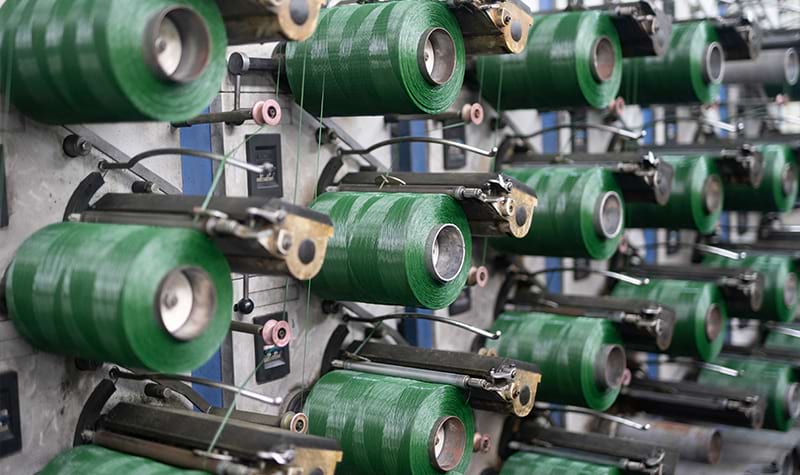
Cooling systems are crucial in ensuring that the yarn maintains its structural integrity. If the cooling process is not managed correctly, the yarn may lose its strength and flexibility, leading to poor-quality turf. Effective cooling ensures that the fibers maintain their desired properties, providing the durability required for long-lasting synthetic grass.
Table: Benefits of Different Cooling Systems in Grass Yarn Production
Cooling Method | Benefits |
Water-Cooled Systems | Fast and uniform cooling, efficient for high-volume production |
Air-Circulation Systems | Even cooling, cost-effective for large production runs |
Hybrid Systems | Combination of water and air for optimized cooling efficiency in varying production conditions |
Maintaining consistent tension during the extrusion process is essential for producing high-quality yarn. Grass Yarn Extrusion Machines are equipped with tension control devices that adjust and regulate the yarn’s tension as it moves through the extrusion line. These devices ensure that the yarn remains uniform in terms of thickness and strength.
Improper tension can lead to defects such as slack, stretching, or breaking, which can significantly affect the quality of the synthetic turf. By ensuring that the yarn is consistently tensioned, Grass Yarn Extrusion Machines help create yarn that is both durable and high-performing, ensuring the overall quality of the synthetic grass.
Proper yarn tension is key to creating durable and resilient synthetic turf. Grass Yarn Extrusion Machines ensure that yarn tension is regulated and consistent, which helps prevent defects like slack, stretching, or breaking. Uniform tension contributes to a better quality end product, enhancing both the aesthetic and functional performance of synthetic grass.
Efficient Grass Yarn Extrusion Machines help minimize material waste by ensuring the yarn is consistently produced, with minimal scrap or defective fibers. This reduces the need for reprocessing or discarding defective yarn, leading to lower material costs. Manufacturers can optimize material usage, resulting in improved profitability and more sustainable operations.
Energy-efficient extrusion systems help reduce the power consumption of the manufacturing process, contributing to overall cost savings. By integrating energy-efficient motors and cooling systems, manufacturers can significantly lower their energy costs while maintaining high-quality production standards. This results in reduced operational costs, contributing to a more cost-effective and environmentally-friendly manufacturing process.
With advancements in automation, Grass Yarn Extrusion Machines are becoming increasingly efficient. Automated systems for tension control, temperature regulation, and real-time monitoring ensure that yarn production is precise, reducing human error and enhancing overall production speed. These innovations contribute to higher quality and faster manufacturing cycles.
New technological developments in Grass Yarn Extrusion Machines allow for the integration of more sustainable and eco-friendly materials, such as recycled fibers and biodegradable plastics. This contributes to a more sustainable production process, meeting the rising demand for environmentally responsible synthetic turf products without compromising quality.
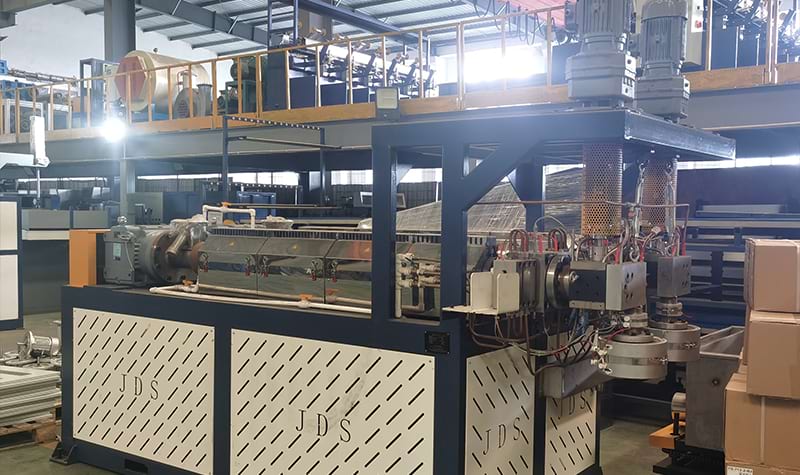
Grass Yarn Extrusion Machines are essential in producing high-quality synthetic grass yarn. These machines control key factors such as texture, strength, consistency, and flexibility, which are critical for ensuring that synthetic turf meets performance standards. Additionally, cooling systems, tension control devices, and other ancillary equipment work together to optimize production efficiency and product quality.
Manufacturers seeking to improve their grass yarn production should choose the latest Grass Yarn Extrusion Machines from JDS Textile Machinery Co., Ltd. These machines are designed to optimize production efficiency, reduce material waste, and deliver high-quality synthetic grass that meets the growing demand in the sports and landscaping industries. Embrace the power of Grass Yarn Extrusion Machines to elevate your production capabilities and ensure high-quality results.
A: Grass Yarn Extrusion Machines melt raw materials and shape them into fibers, ensuring they meet the required texture, strength, and durability for synthetic turf production.
A: By controlling yarn texture, strength, and consistency, Grass Yarn Extrusion Machines help produce synthetic grass that meets both aesthetic and performance standards.
A: Cooling systems ensure that the yarn maintains its integrity, preventing deformation and maintaining strength, flexibility, and texture for high-quality synthetic grass.
A: Consistent yarn tension prevents defects like slack, stretching, or breakage, leading to uniform and high-quality yarn that enhances turf performance.
A: Yes, these machines minimize waste by optimizing yarn production, reducing scrap, and ensuring efficient use of raw materials, ultimately improving profitability.


