Views: 0 Author: Site Editor Publish Time: 2026-07-15 Origin: Site
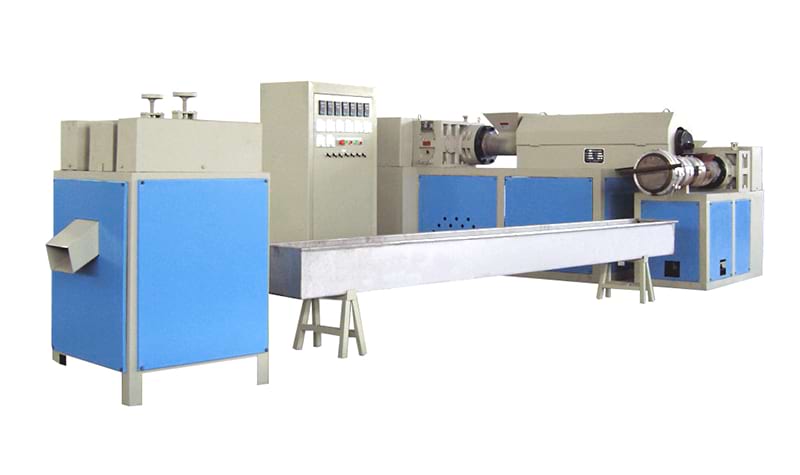
The transition from linear to circular manufacturing in the synthetic turf industry is no longer just an ESG initiative. It serves as a margin-protection strategy against rising virgin resin costs and steep disposal fees. For turf manufacturers and recycling operators, post-industrial waste and post-consumer turf present distinct reprocessing challenges. Edge trims, transition yarns, and defect rolls contain complex polymer blends alongside tricky backing contaminants like latex or PU. Investing in a dedicated artificial grass recycling machine allows manufacturers to bring waste reprocessing in-house. Achieving high-grade, reusable pellets requires rigorous evaluation. We must critically assess a system's shredding, melt filtration, and degassing capabilities to ensure operational success.
In-house reprocessing reduces virgin raw material reliance by transforming manufacturing scrap and end-of-life turf into viable secondary raw materials.
The viability of a turf waste recycling system depends heavily on its melt filtration technology, which dictates its ability to handle cross-contamination (e.g., infill remnants, latex backing).
Evaluating a plastic grass fiber reprocessing machine requires analyzing energy consumption per kilogram, throughput consistency, and the degradation rate of the polymer's Melt Flow Index (MFI).
Turnkey lines mitigate implementation risks by integrating size reduction, extrusion, and pelletizing into a single, automated workflow.
Calculating return on investment requires analyzing your specific material streams. You offset virgin PE or PP resin purchases against the capital expenditure and operating expenses of a recycling line. Facilities capture immediate value by turning scrap into secondary raw materials. We evaluate daily throughput against energy and labor costs. This establishes a clear baseline for financial viability. Best Practice: Always model your yield assuming a 5% to 10% material loss due to moisture evaporation and filter purge waste.
Global petrochemical pricing fluctuates constantly. You reduce dependency on these volatile markets by establishing a closed-loop internal supply chain. Reprocessing scrap on-site provides a predictable source of raw materials. Manufacturers shield themselves from unexpected resin shortages. They also insulate their production schedules from external logistical delays caused by global shipping constraints.
Environmental regulations continue to grow stricter worldwide. Extended producer responsibility laws mandate end-of-life accountability. Municipal and commercial contracts frequently demand verifiable recycled content in new turf installations. Processing scrap internally allows you to meet these stringent requirements. You secure a stronger market position by demonstrating tangible sustainability metrics to key stakeholders.
Toll recycling often hides unexpected expenses. You face recurring logistics fees to transport waste off-site. Facilities lose custody of their material during the process. This frequently results in inconsistent pellet quality upon return. Controlling an on-site system eliminates these variables entirely. It ensures strict quality assurance over the final recycled resin, keeping proprietary material blends secure.
An effective plastic grass fiber reprocessing machine must handle challenging materials. Edge trims represent high-volume, low-bulk-density scrap. Equipment engineers evaluate shredder-extruder combinations carefully. Advanced agglomeration prevents thermal degradation before melting begins. Properly sized material ensures a steady, surge-free feed into the extruder screw. Common Mistake: Feeding massive clumps of un-shredded yarn often chokes the hopper and causes uneven melting.
Filtration determines the ultimate success of your recycling operation. Continuous or backflush screen changers play a critical role here. They separate un-meltable contaminants from the polymer melt. Common impurities include sand dust, rubber infill traces, and polyurethane backing. Robust filtration removes these elements without halting production. Best Practice: Maintain a detailed log of screen changes to track contaminant loads accurately across different waste batches.
Waste turf carries moisture and volatile organic compounds. These VOCs originate from inks, dirt, or degraded latex backings. Degassing zones extract these gases directly from the molten polymer. Effective vapor removal prevents voids and brittleness in the final pellet. Dual-vacuum degassing proves essential for heavily coated post-consumer turf scraps. Common Mistake: Running vacuum pressure too low fails to extract trapped moisture, leading to severe foaming at the die head.
Operators must choose an appropriate pelletizing method based on material behavior. We typically compare strand pelletizing against water-ring or underwater systems. Underwater pelletizing often produces superior, uniform pellet geometry. Consistent shape and size matter immensely for downstream processing. Uniform pellets ensure smooth re-feeding into yarn extrusion lines later without bridging in the hopper.
Pelletizing Method | Pellet Geometry | Suitability for Turf Waste | Operator Intervention |
|---|---|---|---|
Strand Pelletizing | Cylindrical, prone to minor variance | Good for clean, pure PE/PP monofilament | High (requires manual strand management) |
Water-Ring Pelletizing | Flat, disc-like | Excellent for moderately contaminated blends | Medium (easier startup than strands) |
Underwater Pelletizing | Spherical, highly uniform | Ideal for high-throughput, automated lines | Low (highly automated operation) |
Managers must balance required hourly output against available facility space. Large capacities require substantial physical footprints. You must assess if the machine dimensions require extensive facility retrofitting. Compact designs integrate more easily into existing production floors. Best Practice: Map out forklift pathways and raw material staging areas before finalizing the machine layout to ensure smooth logistics.
Plant inputs change frequently based on production schedules. Determine if a monofilament waste recycling line transitions smoothly between streams. It should process clean post-industrial yarn waste efficiently. It must also handle heavier, more contaminated post-consumer turf sections. Versatile lines adapt screw speeds and temperature profiles to match the specific polymer blend currently running.
Theoretical maximums rarely reflect daily reality. You must evaluate the actual power draw during steady-state operation. Look closely at the kilowatt-hours consumed per kilogram of output. Highly efficient motors and insulated heater bands reduce operational costs. Energy consumption heavily influences long-term profitability, especially in regions with high electricity rates.
Labor shortages affect manufacturing floors globally. Assess the Human-Machine Interface for intuitive operation. Automated feeding mechanisms reduce manual handling significantly. Determine the need for dedicated operator oversight versus periodic checks. High automation reduces human error and stabilizes continuous production.
Smart dosing systems ensure precise additive mixing.
Automated screen changers minimize manual filter replacements.
Remote HMI access allows for instant diagnostic troubleshooting.
Variable frequency drives optimize motor speeds automatically.
Polymer chain degradation remains an unavoidable reality during thermal cycling. Melting and extruding plastic alters its Melt Flow Index. You must implement strategies for blending recycled pellets with virgin resins. Manufacturers typically use 10% to 20% blending ratios. This maintains necessary tensile strength and UV resistance in new grass yarn. A high-quality turf waste recycling system minimizes this degradation through precise thermal control. Best Practice: Conduct regular rheology tests on output pellets to verify the exact MFI shift.
We must maintain transparent assumptions regarding input material. No single extruder can process highly contaminated, un-separated post-consumer turf. Complete end-of-life turf contains dense sand and SBR rubber. You must apply prior mechanical separation. Shaker tables and shredders isolate the valuable polymers before extrusion. Common Mistake: Assuming a heavy-duty extruder can simply melt through dirt and sand causes catastrophic screw wear.
Contaminants inflict real-world wear and tear on machinery. Abrasive materials like residual silica sand damage shredder blades quickly. They also cause premature wear on extruder screws and barrels. Facilities must budget for frequent part replacements. Hardened steel components extend maintenance intervals significantly, protecting your investment.
Installing heavy machinery demands careful infrastructure planning. You must address chilled cooling water requirements for pelletizing units. Facilities often require electrical load upgrades to handle industrial extruders. Safe continuous operation also demands proper exhaust ventilation. Managing ambient heat and volatile fumes protects worker health.
Audit current electrical panels for necessary amperage capacity.
Install closed-loop water chillers to manage pelletizing temperatures.
Route overhead ventilation ducts directly above degassing zones.
Reinforce concrete flooring to handle localized machine weight and vibration.
Some plants primarily recycle clean PE/PP monofilament edge trims. In this scenario, prioritize high-speed shredder-extruder combinations. Standard filtration suffices for uncontaminated industrial scrap. The focus remains on maximizing throughput and energy efficiency. Clean material requires less aggressive degassing and filtering, allowing for faster processing speeds.
Other facilities process full turf cut-offs regularly. These include yarn mixed with primary and secondary backings. This scenario demands advanced, heavy-duty melt filtration. Dual-degassing capabilities become strictly necessary. Robust setups extract latex fumes and separate heavy impurities. The right turf waste recycling system manages these complex blends without excessive downtime.
Never rely solely on generalized sales brochures. Mandate comprehensive material trials using your specific waste streams. Evaluate the availability of local spare parts. Check if the manufacturer provides remote diagnostic support. Demand guaranteed throughput service level agreements. Real-world testing exposes theoretical machine limitations before you commit capital.
Structure your Request for Proposal carefully. Demand verifiable data on pellet quality and energy consumption. Ask for case studies involving similar turf polymer blends. Clear documentation separates reliable vendors from mere marketers. Rigorous procurement ensures long-term operational success and minimizes integration headaches.
Summary Verdict: Investing in dedicated recycling technology transforms costly waste into a strategic asset, provided the system matches your exact contamination profile.
Strategic Advice: Avoid over-specifying or under-equipping. Base final investment decisions on empirical material trials rather than theoretical maximums.
Yield Expectations: Calculate a conservative estimate of usable pellet yield. Always factor in inevitable losses from heavy backing materials and volatile degassing.
Call to Action: Engage equipment manufacturers immediately for localized material tests. Perform a rigorous return calculation based on your current disposal fees and virgin resin costs.
A: Yes, but it requires specialized heavy-duty melt filtration. These filters separate un-meltable backing components like latex or PU from the meltable PE/PP yarns. Fully separating them prior to extrusion yields higher-quality pellets and prevents rapid screen clogging.
A: Manufacturers typically blend between 10% to 30% recycled content for high-performance sports turf. This ratio prevents compromising tensile strength. However, non-critical applications like backing layers or landscaping turf may successfully use much higher percentages.
A: Highly abrasive materials severely wear down extruder screws and immediately clog standard filters. Post-consumer turf must undergo mechanical shaking and separation. You must extract sand and rubber completely before the material enters the extrusion phase.
A: Polymer chains experience inevitable slight degradation during thermal cycling. Precise temperature control and minimal residence time in the extruder mitigate this MFI drop. Proper blending with virgin resins restores the required flow characteristics for extrusion.