

Views: 0 Author: Site Editor Publish Time: 2026-01-14 Origin: Site
What if you could improve the durability and consistency of synthetic turf with one key machine?Grass Yarn Rewinding Machines are essential in ensuring stable turf quality by regulating yarn tension and preventing defects. In this article, we will explore how these machines contribute to the efficiency and stability of synthetic turf manufacturing.
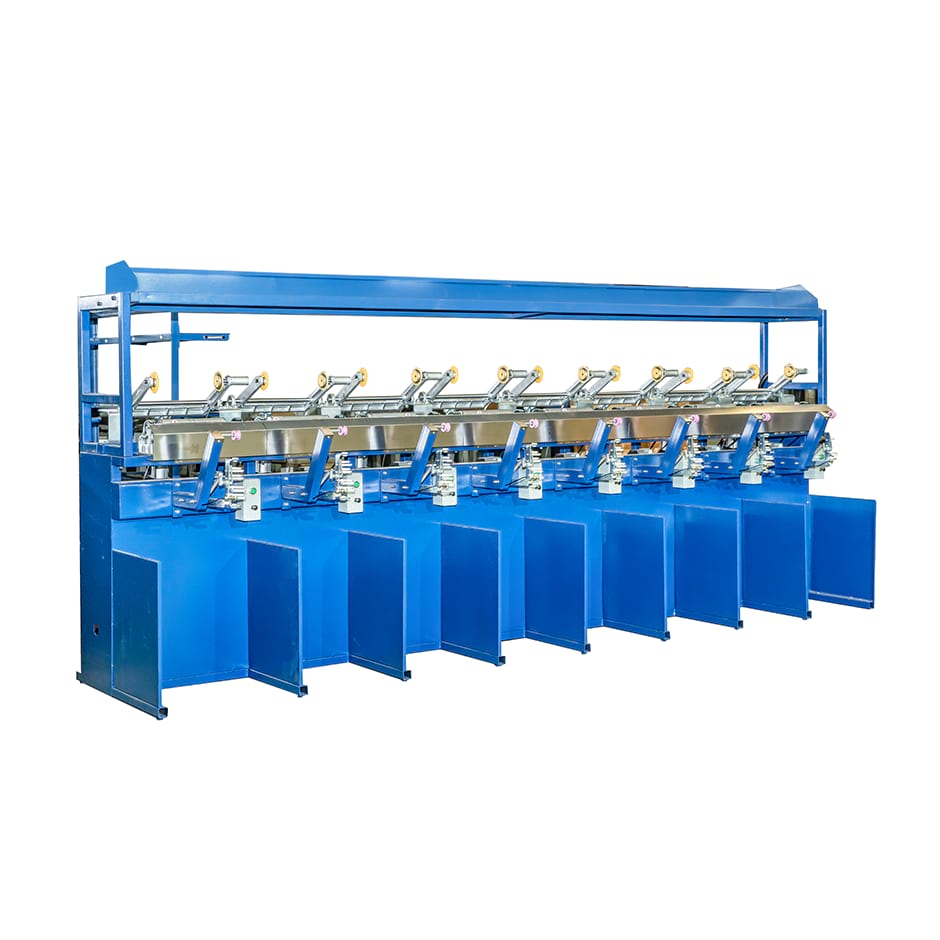
Grass Yarn Rewinding Machines are used in the synthetic turf production process to rewind the yarn, ensuring that it is uniformly tensioned and wound. This process is crucial for stabilizing the yarn's structure, improving its quality and making it suitable for high-performance applications like sports fields and landscaping.
The primary function of these machines is to take the yarn from the initial production phase and rewind it with precise tension. This process helps remove any inconsistencies in the yarn that could lead to defects in the final product.
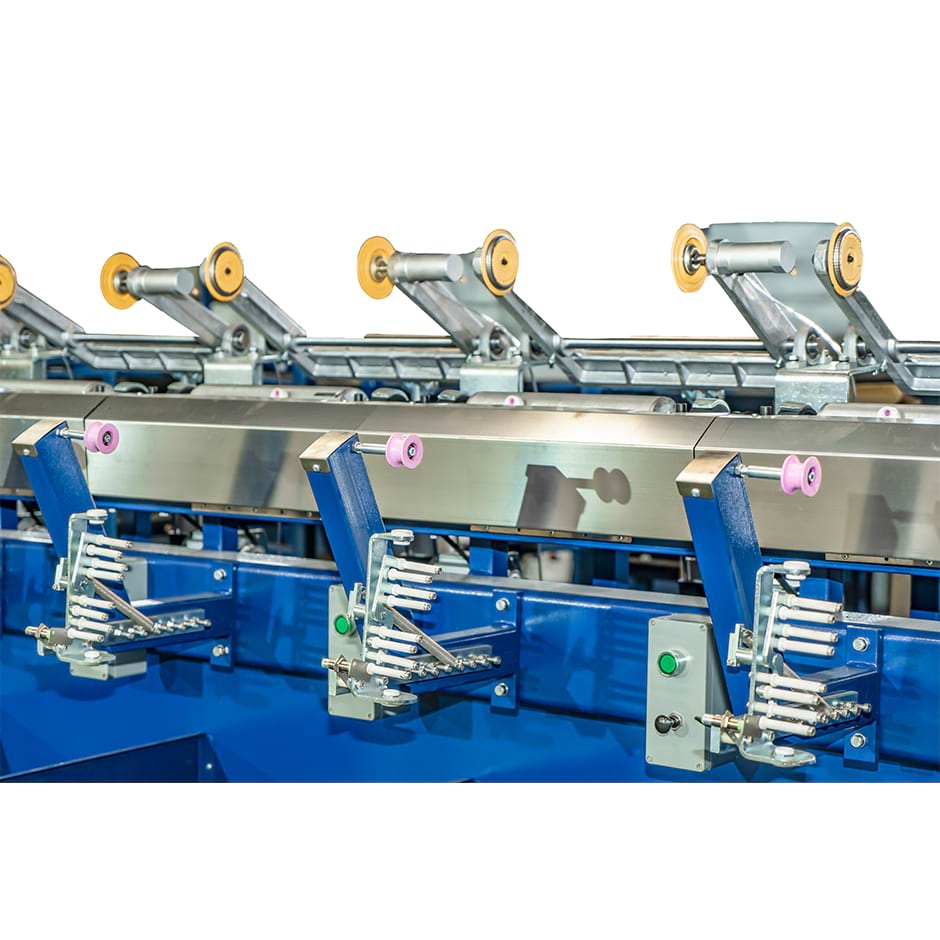
Here are the key components of Grass Yarn Rewinding Machines and their functions:
Component | Function |
Rewinding Unit | Rewinds the yarn with consistent tension, ensuring uniformity. |
Tension Control System | Regulates the yarn tension, preventing over-tightening or slack. |
Drive Motor | Powers the rewinding mechanism, allowing for adjustable speeds. |
Spooler and Winder | Collects the rewound yarn and stores it in an organized manner for further use. |
These components work together to ensure that the yarn is rewound efficiently, with minimal defects and consistent quality, which are crucial for producing high-quality synthetic turf.
The consistent tension applied by Grass Yarn Rewinding Machines is crucial for the overall quality of the turf. Uneven yarn tension can cause instability in the final synthetic turf product, leading to issues like wrinkles, slack, or uneven wear. By maintaining uniform tension, the machines ensure that the yarn remains stable and performs consistently over time.
Without proper rewinding, yarn can develop defects such as tangling, knots, or uneven winding. These defects can negatively affect the final synthetic turf’s texture, strength, and durability. Grass Yarn Rewinding Machines help prevent these issues by applying controlled tension and reducing the chances of defects in the yarn.
Uniformity is key when it comes to producing synthetic turf. Grass Yarn Rewinding Machines ensure that each batch of yarn has the same physical properties, including texture, strength, and color. This uniformity is essential to achieving a consistent look and feel in the final turf product, which is important for both aesthetics and performance.
By producing yarn that is uniformly tensioned and defect-free, Grass Yarn Rewinding Machines contribute to the overall durability of the synthetic turf. Strong, high-quality yarn fibers are less likely to break, fray, or degrade over time, even under high foot traffic or extreme weather conditions.
The rewinding process also ensures that the yarn retains its strength and resilience, which is crucial for synthetic turf that will be subjected to frequent use. Turf made with uniformly rewound yarn has improved resistance to wear and tear, allowing it to maintain its quality for a longer period.
Synthetic turf used in sports fields must meet specific standards for performance, safety, and durability. Grass Yarn Rewinding Machines are essential in ensuring that the yarn used for sports turf meets these high standards by producing consistent and durable fibers that perform well under heavy use.
The uniformity and strength of the yarn produced by Grass Yarn Rewinding Machines directly impact player safety and performance. Well-tensioned yarn ensures that the turf has proper cushioning and texture, reducing the risk of injuries and improving the playing experience for athletes.
Production Method | Waste Reduction | Material Efficiency |
Grass Yarn Rewinding Machines | Up to 30% less waste | More efficient use of raw materials, reducing scrap. |
Traditional Methods | Higher waste levels | More scrap and off-cuts, leading to inefficiency. |
The precise control offered by Grass Yarn Rewinding Machines reduces material waste, directly lowering costs for manufacturers. By ensuring that each batch of yarn is uniform and defect-free, these machines help maximize the use of raw materials and reduce the need for costly rework or repairs.
The automation provided by Grass Yarn Rewinding Machines allows for higher throughput and reduced downtime. These machines work continuously, ensuring that the yarn is rewound quickly and efficiently. This streamlining of production processes helps manufacturers meet growing demand without compromising on quality.
Investing in Grass Yarn Rewinding Machines offers long-term cost savings. These machines reduce defects, increase yarn yield, and improve overall production efficiency, resulting in lower operational costs over time. The initial investment pays off by improving manufacturing consistency and product quality, which in turn increases profitability.
Recent innovations in Grass Yarn Rewinding Machines include advanced automation systems that allow for precise control of yarn tension and rewinding speed. These systems improve production speed, ensure consistent quality, and reduce the need for manual intervention.
Grass Yarn Rewinding Machines can now be integrated with other equipment in the synthetic turf production line, such as tufting machines, extrusion systems, and backing machines. This integration enhances overall production efficiency, reduces bottlenecks, and ensures seamless operation across the entire manufacturing process.
Modern Grass Yarn Rewinding Machines are designed with energy efficiency in mind. By reducing energy consumption during the rewinding process, these machines help manufacturers lower their carbon footprint and reduce operating costs, making them a more sustainable option for turf production.
The sports industry is one of the biggest beneficiaries of Grass Yarn Rewinding Machines. High-quality synthetic grass is essential for creating durable, safe, and high-performance sports fields. These machines ensure that the turf used in stadiums and training fields meets the highest standards.
In landscaping and construction, twisted yarn turf offers a realistic and low-maintenance solution for urban parks, residential lawns, and commercial landscapes. The ability to produce consistent, high-quality yarn with Grass Yarn Rewinding Machines makes it ideal for a wide range of applications.
Grass Yarn Rewinding Machines are increasingly used in the commercial and residential sectors, providing high-quality, cost-effective turf for both small and large-scale applications. This includes everything from public spaces to private gardens and recreational areas.
Grass Yarn Rewinding Machines are crucial for ensuring stable turf quality, improving durability, and maintaining uniformity in synthetic turf production. These machines enhance yarn consistency, reduce defects, and improve cost-effectiveness.As demand for high-quality synthetic grass rises, manufacturers should invest in Grass Yarn Rewinding Machines from JDS to meet industry standards, improve efficiency, and stay competitive.
Tip: Investing in Grass Yarn Rewinding Machines from JDS helps manufacturers improve product quality, streamline production, and reduce costs over time.
A: Grass Yarn Rewinding Machines are specialized equipment used in synthetic turf production to rewind yarn with precise tension, ensuring consistent quality, strength, and durability of the fibers.
A: These machines regulate yarn tension, prevent defects like tangling or uneven winding, and ensure uniformity across batches, which improves the overall consistency and durability of synthetic turf.
A: Grass Yarn Rewinding Machines are essential for maintaining stable turf quality, reducing material waste, and improving manufacturing efficiency, helping manufacturers meet industry standards and stay competitive.
A: By ensuring consistent yarn tension and preventing defects, Grass Yarn Rewinding Machines produce stronger fibers, increasing the overall durability and resistance of synthetic turf to wear and tear.


