Views: 0 Author: Site Editor Publish Time: 2026-06-05 Origin: Site
Installing a synthetic lawn is a capital-intensive improvement project for any residential or commercial property. You are essentially engineering a permanent outdoor floor rather than simply planting grass seed.
Navigating the vast price discrepancies in today's landscape market often feels incredibly frustrating for property owners. Quotes routinely range from $5 to more than $25 per square foot, leaving buyers confused. Choosing a low-bid contractor introduces severe long-term risks, including catastrophic drainage failures, pooling water, or splitting seams.
This guide provides a highly transparent, bill-of-materials breakdown of the actual 2026 pricing landscape. You will discover exactly what you are paying for, from raw factory manufacturing technology to meticulous on-site preparation. Armed with this knowledge, you can systematically evaluate every installation quote using skeptical, evidence-based criteria.
2026 Benchmark Pricing: The standard fully-installed cost for quality artificial grass ranges between $10 and $20 per square foot, heavily dependent on regional labor rates and yard size.
The "Cheap Quote" Trap: Bids under $8/sq. ft. typically indicate dangerous compromises in subbase preparation (insufficient excavation) or the use of outdated, non-UV-stabilized turf materials.
Manufacturing Quality Dictates Lifespan: Premium turf costs more because it utilizes advanced extrusion and yarn twisting technologies to prevent shedding, melting, and fading.
Setting a realistic budget requires an immediate, highly structured evaluation framework. Buyers must categorize their spending to match their specific property needs. When budgeting for Artificial Grass, categorizing your material tiers helps set realistic expectations before contractors even arrive. We break down the 2026 market into three primary tiers.
Grade Tier | Installed Price (Per Sq. Ft.) | Ideal Use Case | Expected Lifespan |
|---|---|---|---|
Economy / DIY Grade | $4 – $9 | Temporary staging, strict DIY, low-traffic | 5 – 8 years |
Mid-Range Residential | $10 – $15 | Standard yards, moderate pet activity | 12 – 15 years |
Premium / Specialty | $16 – $25+ | Commercial zones, putting greens, intensive pet areas | 15 – 20+ years |
Economy turf serves a distinct but limited purpose in the landscaping market. It features a considerably shorter pile height. Factories manufacture these rolls using basic, older materials. The backing relies on standard hole-punched drainage, which limits water flow during heavy rain. Installers generally pair this tier with simple silica sand infill.
You should only use economy grass for low-traffic areas. They work perfectly for temporary event staging, balconies, or strict DIY backyard projects on a tight budget. However, you must accept a shorter lifespan. Expect these materials to degrade or flatten within five to eight years.
The mid-range category represents the sweet spot for most homeowners. Manufacturers construct these products using high-density Polyethylene (PE) or Polypropylene (PP). They apply an advanced polyurethane backing. This superior backing grips the grass fibers tightly and drains water rapidly. Crews usually install anti-microbial infill, such as coated silica or zeolite, to manage odors.
These products fit standard front and back yards perfectly. They handle moderate pet use without retaining strong smells. Families enjoy a lush, realistic appearance that bounces back after walking. You can expect a solid 12 to 15 years of reliable performance from this investment tier.
Premium turf commands a higher price because it solves complex environmental challenges. Engineers design specialized blade shapes, such as W-shape or Omega profiles. These shapes scatter sunlight, reducing surface heat buildup drastically. Installations often include integrated foam shock pads to protect children on playgrounds. Pet-specific versions utilize complex urine-neutralizing base systems.
Commercial properties, public parks, and avid golfers rely on premium grades. Intensive pet rescue areas also demand this level of engineering. While the upfront cost feels steep, these robust surfaces easily last 15 to 20 years or more under heavy daily stress.
Buyers often focus entirely on brand names when reviewing quotes. Instead, you must shift your focus to verifiable physical characteristics. Seamlessly integrating B2B manufacturing factors explains exactly why premium grass justifies its higher price tag. The factory equipment dictates the final quality of your lawn.
Top-tier turf is never just simple molded plastic. True quality begins at the polymer level. Factories require a high-grade Artificial Grass Extrusion Machine to create complex, UV-stabilized blade profiles. Engineers program this machinery to produce shapes like V-shape or W-shape.
These advanced shapes are not merely decorative. They reflect sunlight at multiple angles. This specific light refraction lowers the surface temperature during hot summer afternoons. Cheaper machines produce flat, oval blades that absorb heat and flatten quickly under pressure. Paying for advanced extrusion means paying for a cooler, more resilient yard.
Durability relies heavily on density and tuft bind strength. Tuft bind measures how much force it takes to pull a single blade out of the backing. Premium costs directly cover the advanced processing required on the factory floor. Facilities utilize a modern Grass Yarn Twisting Machine to create resilient, multi-dimensional fibers.
These twisted fibers act like tiny springs. They bounce back immediately after heavy foot traffic. Low-cost alternatives skip this rigorous twisting phase to save time. As a result, economy lawns mat down permanently after just a few months of family use. Superior twisting prevents premature shedding and bald spots.
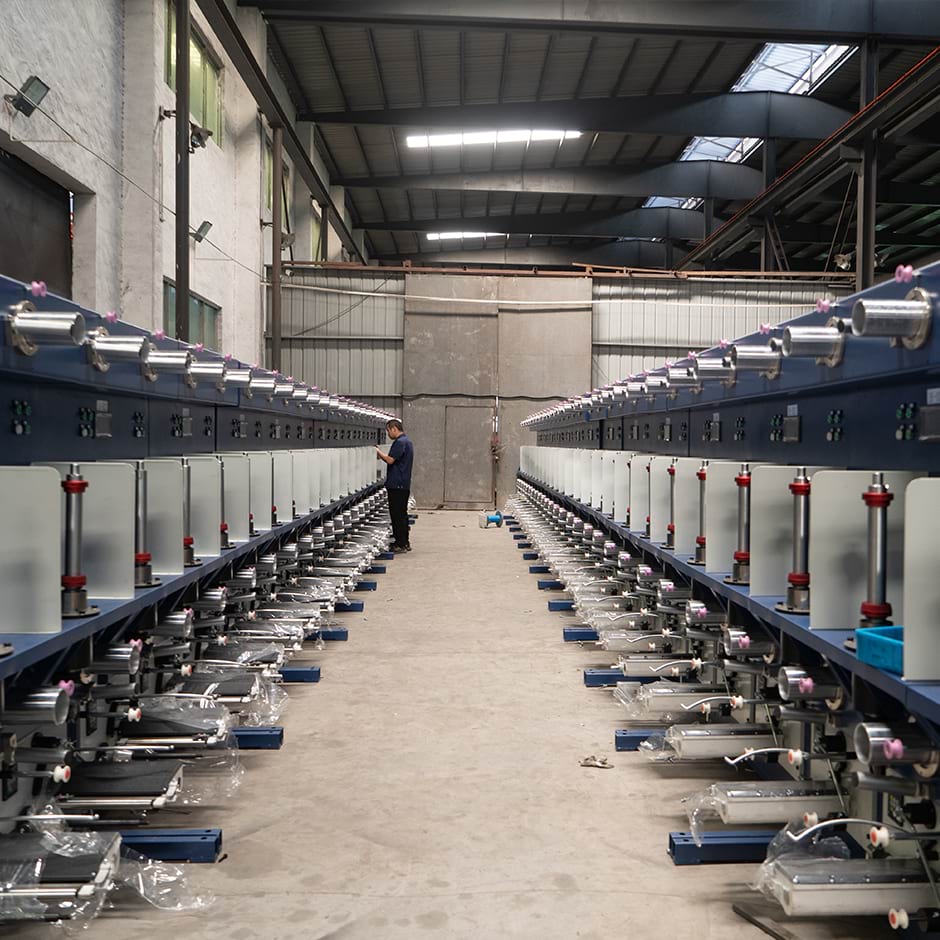
The secondary backing secures the entire system together. Tension control during this coating phase is absolutely critical. Finishing equipment, such as a highly calibrated Grass Yarn Rewinding Machine, ensures optimal tension consistency across the entire turf roll. It prepares the fibers flawlessly before the heavy polyurethane liquid is applied.
Furthermore, factories depend on precise Grass Yarn Extrusion Line Ancillary Equipment to cure the backing at exact temperatures. This rigorous thermal control prevents the final turf product from warping, bubbling, or wrinkling when exposed to seasonal temperature shifts in your yard. Skipping these quality controls leads directly to severe wrinkles that ruin outdoor spaces.
You should always treat your landscaping project like a rigorous engineering task. The actual grass roll only represents a fraction of the budget. We must break down the hidden elements that comprise 50% to 60% of the total quote you receive. Understanding this Bill of Materials empowers you to spot cut corners instantly.
Site Preparation & Excavation (15-20% of cost): Proper installation requires removing three to four inches of native soil, roots, and old sod. It prevents future weed growth and creates room for the drainage layer. This is the number one area where cheap contractors secretly cut corners.
Subbase Material & Compaction (10-15% of cost): Contractors must haul in heavy aggregates. They use Class II road base or decomposed granite. You cannot just use cheap crushed rock. Proper road base compacts tightly, ensuring excellent downward drainage while preventing dangerous sinkholes from forming later.
Labor & Specialized Craftsmanship (30-40% of cost): Experienced labor commands high wages. Trained crews manage precise seaming, rigorous stretching, and custom landscape edging. Master installers eliminate visible joints entirely. They secure the edges meticulously to prevent tripping hazards and dog-digging.
Equipment Rentals & Debris Disposal (5-10% of cost): Earthmoving generates massive waste. You must factor in roll-off dumpster fees, heavy sod cutter rentals, and vibratory plate compactor costs. Generic, low-priced quotes often hide these fees, surprisingly tacking them onto the final invoice on the last day.
Never let a crew skip the vibratory plate compactor. They must wet the subbase material lightly and run the heavy compactor over the area multiple times. This process locks the jagged gravel pieces together. If they merely stomp it down by foot, the ground will inevitably collapse after the first heavy rainstorm.
Decision-makers need a specific evaluation framework to confidently select a vendor. The market features highly skilled professionals, but it also attracts opportunists. Arm yourself with clear logic to audit every bid thoroughly. You will easily avoid scams and ensure a premium result.
You must absolutely reject lump-sum quotes. If a contractor hands you a paper saying "Backyard turf install: $8,500," throw it away. Require a detailed line-item breakdown. The document must separate the raw turf materials, the specific base depth, the exact infill type, and the hourly labor estimates. Transparency forces honesty.
Examine the written drainage strategy closely. Ensure the quote specifies the base compaction method and the exact backing type. This step becomes critical if you are installing over heavy clay soils or sloped terrain. Clay soil drains poorly. It often requires deeper excavation and special drainage grids beneath the base layer.
Do not shy away from interrogating the sales representative. Use these specific questions to test their industry knowledge:
"What is the exact face weight and pile height of the proposed turf?" (Heavier face weights indicate denser, more durable materials).
"Are you using cheap galvanized nails or specialized seaming tape and industrial glue?" (Nails rust and pop out over time; professional tape creates an invisible, permanent bond).
"Does your written warranty cover both the manufacturer's defect, like UV fading, and the actual installation labor, like seam separation?" (Many contractors blame the factory when their own seams split).
Many homeowners hire standard gardeners for synthetic lawn projects. Gardeners understand plants, but they rarely understand aggregate compaction and thermal expansion. Always hire specialized, certified synthetic turf installers who exclusively perform this type of engineering work.
The cost of synthetic turf in 2026 represents a front-loaded investment in an engineered system, not just a simple surface covering. You are paying for advanced polymer science, heavy earthmoving, and specialized craftsmanship. Ignoring the hidden layers beneath the green fibers inevitably leads to costly repairs.
Choosing mid-to-premium materials yields the best long-term value over a 15-year horizon. You must ensure crews install these materials over a rigorously compacted, correctly graded subbase. Refuse any bid that attempts to skip proper excavation or offers suspiciously low labor rates.
Your next step requires action. Grab a measuring tape to evaluate your exact square footage. Assess your primary use case honestly, whether it involves active pets, pure aesthetics, or high neighborhood traffic. Finally, demand detailed, itemized bids from at least three certified, local installers before signing any contracts.
A: Yes, it significantly affects the final price. Curved perimeters, custom landscaping borders, and sloped lands increase labor intensity. Installers spend much more time measuring and cutting angles. This complexity also generates more waste off-cuts, generally increasing total material and labor costs by 15% to 20%.
A: Yes, it frequently increases property value. This holds especially true in drought-prone geographic areas. Homebuyers increasingly view low-water, low-maintenance landscaping as a documented premium asset. A professionally installed, seamless yard enhances curb appeal and immediately signals reduced utility bills to prospective buyers.
A: Pet installations require completely different engineering. Dogs produce highly corrosive, odorous urine. Contractors must use 100% permeable backings rather than standard punched holes. They also import specialized odor-neutralizing infill, like zeolite, and sometimes install advanced drainage grids underneath. These necessary components add directly to the per-square-foot cost.